+91 7297051181
Can Someone Legally Copy Your Brand Name? Know Your Trademark Rights
Trademark
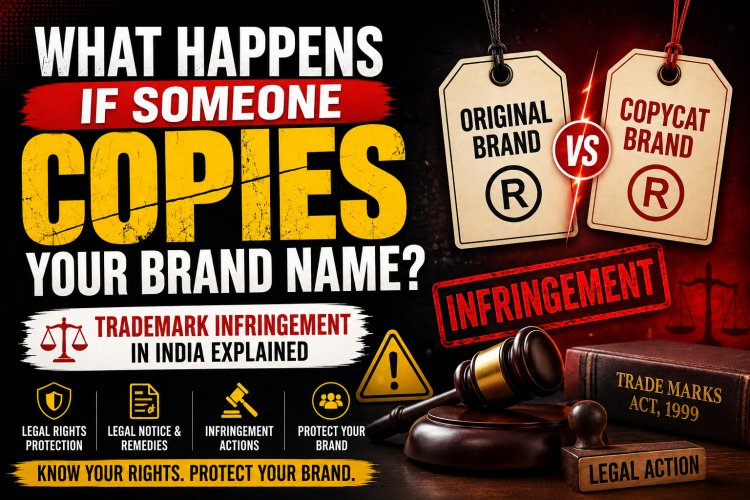
What Happens If Someone Copies Your Brand Name? | Trademark Infringement in India Explained
Building a successful brand takes years of hard work, consistent quality, and customer trust. But what happens if another business starts using a brand name that is identical or deceptively similar to yours?
Can you stop them? What legal remedies are available? Does trademark registration make a difference?
In this guide, we'll explain what happens when someone copies your brand name, how trademark infringement works in India, and the legal steps you can take to protect your business.
What Does It Mean to Copy a Brand Name?
Copying a brand name does not always mean using the exact same words. Under Indian trademark law, even a name that looks, sounds, or appears similar to an existing trademark may create legal issues if it is likely to confuse consumers.
A copied brand name may involve:
-
Similar spelling
-
Similar pronunciation
-
Similar visual appearance
-
Similar logo or trade dress
-
Use for similar goods or services
For example, if a clothing company operates under "Style World" and another business starts selling similar apparel under "Style Worlds," customers may mistakenly believe both businesses are connected. This can amount to trademark infringement or passing off, depending on the circumstances.
Why Is Copying a Brand Name a Serious Legal Issue?
Your brand name represents much more than a business identity. It reflects your reputation, customer trust, market goodwill, and business value.
When someone copies your brand name, it may lead to:
-
Customer confusion
-
Loss of sales and revenue
-
Damage to your brand reputation
-
Weakening of your brand identity
-
Unfair advantage for the infringing business
This is why trademark law exists—to prevent businesses from unfairly benefiting from another company's reputation.
How Do You Know If Someone Has Copied Your Brand Name?
You may have a potential trademark issue if:
-
The competing brand name looks almost identical.
-
The pronunciation is confusingly similar.
-
The logo or overall branding resembles yours.
-
The business deals in similar products or services.
-
Customers mistakenly believe both businesses are related.
Even minor spelling changes do not automatically avoid trademark infringement if the overall commercial impression remains similar.
What Should You Do If Someone Copies Your Trademark?
If you discover someone using a similar brand name, avoid making immediate assumptions. The first step is to collect evidence.
Keep records such as:
-
Screenshots of websites and social media pages
-
Product photographs
-
Advertisements
-
Marketplace listings
-
Customer complaints showing confusion
-
Business brochures or promotional material
Proper documentation becomes valuable if legal proceedings become necessary.
Is Your Trademark Registered?
One of the first questions your trademark lawyer will ask is whether your trademark is registered.
If Your Trademark Is Registered
A registered trademark gives you exclusive legal rights to use the mark for the registered goods or services.
You can file a Trademark Infringement action against unauthorized users and seek legal remedies under the Trade Marks Act, 1999.
If Your Trademark Is Not Registered
You may still have legal protection.
If you have built goodwill and reputation through continuous use of your brand, you may file a Passing Off action to protect your business against deceptive use by others.
Although registration provides stronger protection, long-standing use of a brand can also create enforceable legal rights.
Can You Send a Legal Notice?
Yes.
Many trademark disputes are resolved without going to court.
Sometimes businesses unknowingly adopt a similar brand name. Sending a professionally drafted Trademark Legal Notice may encourage the other party to stop using the name voluntarily.
A legal notice generally explains:
-
Your trademark rights
-
The infringing activity
-
The demand to stop using the mark
-
The legal consequences of non-compliance
In many cases, this resolves the dispute quickly and cost-effectively.
When Can You File a Trademark Infringement Case?
If the other business continues using the copied brand name despite receiving notice, legal action may become necessary.
Depending on the facts, you may:
-
File a Trademark Infringement Suit (for registered trademarks)
-
File a Passing Off Suit (for unregistered trademarks with goodwill)
-
Seek a permanent or temporary injunction
-
Claim damages or compensation
-
Request delivery or destruction of infringing goods
The appropriate legal remedy depends on the nature of your trademark rights and the evidence available.
Does Every Similar Brand Name Amount to Trademark Infringement?
No.
Not every similar name is illegal.
Indian courts primarily examine whether an average consumer is likely to be confused regarding the origin of the goods or services.
Factors considered include:
-
Similarity of the marks
-
Nature of the products or services
-
Target customers
-
Overall appearance
-
Pronunciation
-
Existing market reputation
If two businesses operate in completely different industries without creating customer confusion, both trademarks may sometimes coexist.
Every trademark dispute is decided on its own facts.
How Can You Protect Your Brand Name?
Protecting your trademark early is always better than fighting legal disputes later.
Here are some practical steps:
-
Register your trademark as early as possible.
-
Conduct a trademark search before adopting a new brand.
-
Monitor newly filed trademark applications.
-
Keep records proving continuous use of your brand.
-
Take prompt legal action against infringers.
-
Consult an intellectual property lawyer whenever required.
Early protection significantly reduces the risk of future disputes.
Why Trademark Registration Is Important
Trademark registration offers several important advantages:
-
Exclusive rights over your brand name
-
Strong legal protection against infringement
-
Ability to license or assign the trademark
-
Increased business value
-
Greater customer trust
-
Easier enforcement of your rights
For businesses planning long-term growth, trademark registration is one of the most valuable legal investments.
<iframe width="560" height="315" src="https://www.youtube.com/embed/xz8ecn52hhY?si=TwV2X-1ra5-vic0f" title="YouTube video player" frameborder="0" allow="accelerometer; autoplay; clipboard-write; encrypted-media; gyroscope; picture-in-picture; web-share" referrerpolicy="strict-origin-when-cross-origin" allowfullscreen></iframe>
Final Thoughts
Your brand name is one of your business's most valuable assets. It represents your reputation, customer confidence, and years of effort.
If someone copies your brand name, do not ignore it. Acting promptly can prevent customer confusion, protect your market reputation, and safeguard your legal rights.
Whether through trademark registration, a legal notice, or court proceedings, Indian trademark law provides effective remedies to protect genuine businesses from copycats.
Remember: Building a trusted brand takes years—but protecting it starts with registering your trademark and enforcing your rights when necessary.