+91 7297051181
Fake vs True Barcodes: How to Identify Authentic Barcodes in the Digital Age
Understand the difference between fake and true barcodes, the risks of counterfeit barcodes, and how to verify barcode authenticity using GS1 standards to protect consumers, brands, and supply chains.
Introduction
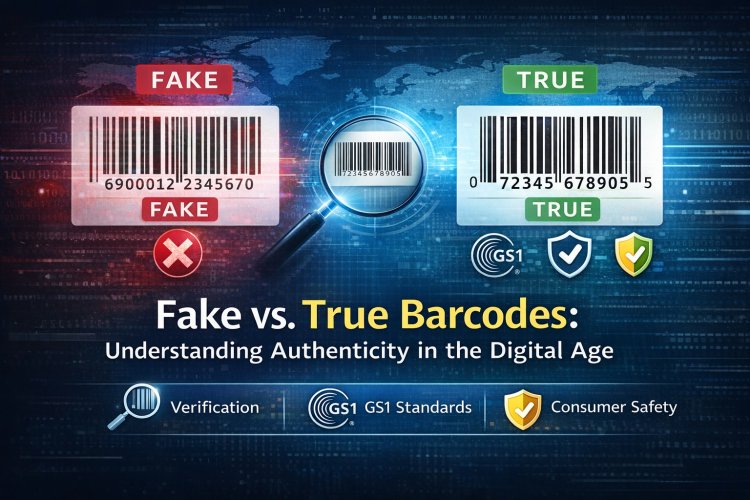
In an era where online shopping and global trade are more prevalent than ever, product authenticity has become a critical concern for consumers and businesses alike. Barcodes, those simple yet powerful visual symbols, play a crucial role in product identification and transaction efficiency. However, not all barcodes are created equal. In this blog, we will explore the differences between fake and true barcodes, the implications of counterfeit barcodes, and how to ensure that you are purchasing genuine products.
What Are Barcodes?
Before delving into the authenticity debate, it’s essential to understand what barcodes are. A barcode is a machine-readable representation of data, usually consisting of parallel lines or bars of varying width. Barcodes can encode information such as product IDs, prices, and inventory data, enabling quick and accurate scanning at points of sale and throughout the supply chain.
The Emergence of Counterfeit Barcodes
As the demand for products increases, so does the prevalence of counterfeit goods. Fake barcodes often accompany these illicit products, posing significant risks to consumers, businesses, and the economy. Counterfeit barcodes can mislead customers into believing they are purchasing genuine items, ultimately leading to lost sales for legitimate companies and potential harm to consumers.
Reasons for Counterfeit Barcodes
1. Profit Motive: The allure of high profit margins on counterfeit goods encourages some businesses to resort to creating and using fake barcodes for their products.
2. Brand Misrepresentation: Unscrupulous sellers may use fake barcodes to make their products appear authentic, thereby misleading customers and tarnishing the reputation of legitimate brands.
3. Insufficient Oversight: In industries where regulatory oversight is lax, counterfeiters can easily introduce fake barcodes without fear of detection.
Identifying True Barcodes
Recognizing true barcodes is essential for consumers who want to ensure they are purchasing genuine products. Here are some characteristics of authentic barcodes:
1. GS1 Standards Compliance: True barcodes typically adhere to GS1 standards, which provide a framework for unique product identification. Products featuring GS1-compliant barcodes are less likely to be counterfeit.
2. Unique Identification Numbers: Authentic barcodes include unique identification numbers that can be traced back to the manufacturer. When scanned, true barcodes provide accurate product information and origin.
3. Quality of Print: Genuine barcodes are printed with high quality and clarity. If a barcode is poorly printed or smudged, it may not function correctly and could indicate a counterfeit product.
4. Presence of GS1 Company Prefix: Authentic barcodes often contain a GS1 Company Prefix, a unique identifier assigned by GS1. This prefix, along with other components, ensures the product can be accurately identified in the global marketplace.
Contact our barcode experts at +91 729705118 and +91 8949793519.
The Risks Associated with Fake Barcodes
Using fake barcodes can have severe consequences for consumers and businesses, including:
1. Consumer Safety: Counterfeit products may not meet safety standards and can pose serious health risks. For instance, counterfeit pharmaceuticals can lead to ineffective or harmful outcomes.
2. Brand Integrity: Businesses lose their hard-earned reputations when counterfeit products flood the market. This can lead to customer distrust, impacting overall sales and loyalty.
3. Legal Repercussions: Companies found to be selling fake products could face legal actions, including fines or bans from operating.
4. Financial Losses: Fake barcodes can lead to inventory management issues, misplaced assets, and ultimately significant financial losses for businesses.
Contact our barcode experts at +91 729705118 and +91 8949793519.
Steps to Ensure Barcode Authenticity
Consumers can take several steps to verify the authenticity of barcodes:
1. Check the Packaging: Quality packaging is often an indicator of a genuine product. Examine the overall presentation and look for discrepancies or signs of tampering.
2. Scan the Barcode: Many applications allow consumers to scan barcodes and retrieve product information. If the scanned data does not match the product or is unavailable, it may indicate a counterfeit.
3. Research the Brand: Familiarize yourself with the brand and its products. Trusted brands often have a robust online presence and will typically have measures in place to combat counterfeiting.
4. Look for Certifications: Authentic products will often display certifications or seals of authenticity. Be wary of products lacking these indicators.
5. Verify through Retailers: Purchase items from authorized retailers or distributors. If possible, inquire about the product’s authenticity directly.
Conclusion
In a world increasingly driven by e-commerce and globalization, the distinction between fake and true barcodes is vital for consumers looking to purchase genuine products. Understanding how to identify authentic barcodes can empower consumers to protect themselves from the risks associated with counterfeit goods. As businesses and organizations like GS1 work to standardize systems to combat counterfeiting, consumers must remain vigilant and informed. Ultimately, fostering a culture of authenticity benefits everyone involved, from manufacturers to consumers, ensuring safety, integrity, and trust in the marketplace.
Contact our barcode experts at +91 729705118 and +91 8949793519.