+91 7297051181
Marico Limited v. Minolta Natural Care (2025): Bombay High Court on Trademark & Trade Dress Infringement
An in-depth analysis of the Bombay High Court’s decision in Marico Limited v. Minolta Natural Care (2025), examining trademark infringement, trade dress protection, passing off, jurisdiction, delay, and brand distinctiveness in the Indian FMCG sector.
Introduction
In the ever-evolving landscape of commercial law, cases involving trademark infringement and copyright violations are increasingly prevalent. One such significant case is Marico Limited v. Minolta Natural Care, decided by the Bombay High Court on December 9, 2025. The dispute centered around claims of trademark and copyright infringement related to key products in the hair care market. As brands strive to establish their identity and protect their market share, the outcomes of such cases can set vital precedents regarding the interpretation of intellectual property laws. This blog post will provide a thorough analysis of the case, including its background, legal arguments, findings, and broader implications for businesses and trademark owners. Whether you are a legal professional, a business owner, or simply a curious reader, this examination aims to inform you about the nuances of intellectual property rights and how they play a vital role in the commercial sphere.
Background of the Case
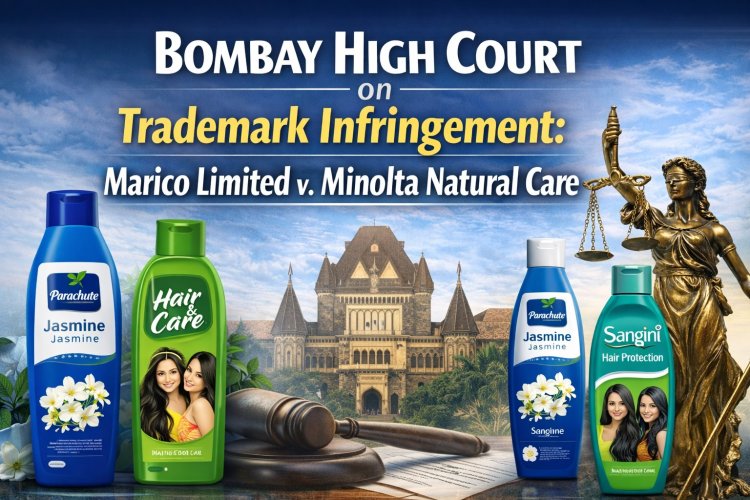
Marico Limited, a leading consumer goods company in India, sought legal redress against Minolta Natural Care and others for alleged infringements related to their well-known product lines, particularly "Parachute Jasmine" and "Hair & Care." Marico claimed that the defendants had launched similar products under the "Sangini" brand, infringing upon Marico's registered trademarks and causing confusion among consumers.
The Brands in Question
Marico's "Parachute Jasmine" and "Hair & Care" lines have been significant contributors to its brand identity. "Parachute Jasmine," launched around the year 2000, features a distinctive logo and packaging, while "Hair & Care" has been marketed since 1990, evolving over the years but retaining its core identity. Both products are accompanied by considerable advertising budgets and have been recognized for their goodwill and reputation in the market. The defendants, on the other hand, introduced "Sangini Jasmine" and "Sangini Hair Protection," products which Marico argued shared visual similarities with its established brands. Following numerous cease-and-desist notices and unfruitful negotiations, Marico initiated a legal proceeding to prevent further infringement.
Nature of the Legal Proceedings
The case was brought before the Bombay High Court as a commercial intellectual property suit, with the plaintiff seeking relief for trademark infringement, copyright infringement, and passing off. The plaintiff moved for an interim injunction under Order 39 Rules 1 and 2 of the Civil Procedure Code, aiming to restrain the defendants from using the allegedly infringing marks and trade dress. In addition, a leave petition was filed under Clause XIV of the Letters Patent, allowing the plaintiff to combine multiple causes of action for infringement and passing off within one legal suit, a critical procedural aspect of the case.
Key Legal Arguments
Throughout the proceedings, several key legal arguments emerged from both sides, shaping the court's deliberation.
1. Territorial Jurisdiction: One of the principal challenges raised by the defendants was the court's territorial jurisdiction. Defendant No. 3 contended that since all defendants were based in Delhi and had no business presence in Maharashtra, the Bombay High Court lacked jurisdiction. This argument raised fundamental questions about the appropriate venue for disputes arising from trademark infringement.
2. Limitation and Delay: The defendants argued that the plaintiff's claims were barred by limitation, contending that Marico was aware of the alleged infringement since 2016 yet delayed seeking relief until 2025. This claim centered on the concept of urgency in seeking interim relief, suggesting that a substantial delay undermined the plaintiff's case.
3. Scope of Plaintiff's Rights: The defendants challenged the plaintiff's rights to the trademarks "Jasmine" and "Hair & Care," claiming that certain registrations included disclaimers that limited Marico's rights. They raised the defense that "Jasmine" is a common term in the industry and cannot be monopolized, arguing its descriptive nature nullified any claims of exclusive rights.
4. Distinctiveness and Similarity: The heart of the dispute lay in whether the defendant's products were sufficiently similar to Marico’s established brands. The defendants argued that there were significant visual, phonetic, and structural differences between the brands that should preclude a finding of infringement. This included claims that the "Sangini" branding was distinct and emphasized the lead feature of their products.
5. Prior Use: Defendant No. 3 also claimed prior use of its mark dating back to 2016, challenging Marico’s claims that its brand identity was infringed upon. This argument sought to create an impression of legitimacy surrounding the defendants' branding strategy.
To know more about this please check the link below.
Court Findings
Justice Sharmila U. Deshmukh, presiding over the case, reserved judgment and ultimately ruled in favor of Marico Limited, emphasizing several critical aspects of the case:
1. Jurisdiction: The court established that it could retain jurisdiction over the matter, given the complexities of trademark law which can have nationwide implications despite the defendants’ location in Delhi.
2. Limitation and Urgency: The court found that the repeated instances of infringement and the ongoing marketing of the disputed products evidenced urgency, thereby justifying Marico's request for interim relief.
3. Distinctiveness and Rights to Use: The court affirmed Marico's rights to its established marks and labels, recognizing the substantial goodwill associated with "Parachute Jasmine" and "Hair & Care." The court emphasized that elements of trade dress and branding contributed significantly to a brand's identity and, thus, were entitled to protection.
4. Visual and Phonetic Similarity: The court noted that while there were differing aspects to the packaging, the overall impression created in consumers' minds was one of familiarity and potential confusion due to the similarities in branding.
Implications of the Ruling
The ruling in Marico Limited v. Minolta Natural Care serves as a poignant reminder of the importance of trademark protection in a highly competitive market. The decision underscores several critical points relevant to businesses:
1. Importance of Brand Identity: Companies must invest in distinguishing their brands while guarding their identity against potential imitators. The court’s decision highlights that recognizable packaging and trade dress are integral aspects of trademark protection.
2. Prompt Legal Action: The case illustrates the necessity for brands to take swift legal action in the face of perceived infringements. Delays may compromise a company's rights to seek injunctions or remedies.
3. Navigating Jurisdictional Complexities: For brands operating in a diverse marketplace, understanding jurisdictional nuances is vital. The ruling clarifies that courts may still have jurisdiction over cases when multiple parties are located in different states if the infringement's impact is widespread.
4. Courts' Role in Balancing Interests: This case exemplifies the judiciary's pivotal role in protecting proprietary interests against potential market confusion. It emphasizes a nuanced approach to balancing the rights of established brands with those seeking to enter the market, even at the risk of infringing upon existing trademarks.
Conclusion
The Bombay High Court's decision in “Marico Limited v. Minolta Natural 2025: BHC-OS:24054,” Care serves as an important legal precedent in the realm of trademark and copyright law in India. With significant implications for brand protection and the legal interpretation of trademark rights, this case highlights the necessity for comprehensive strategies when launching products in competitive markets. Businesses must remain vigilant in safeguarding their brand identity while being aware of the potential special defenses raised by competitors. As this case illustrates, proactive measures, prompt legal action, and clarity in branding are paramount to maintaining an edge in today's fast-paced commercial environment. The ruling not only affirms the value of intellectual property rights but also underscores their continuous evolution in response to the dynamics of consumer perception and market competition.