+91 7297051181
Trademark Infringement & Trade Dress Protection: ITC Ltd. v. Pelican Tobacco | Delhi HC Analysis
An in-depth legal analysis of ITC Limited v. Pelican Tobacco Co. Ltd. (CS(COMM) 221/2024) examining trademark infringement, deceptive similarity, trade dress protection, injunctions, and Delhi High Court’s approach to safeguarding well-known brands like GOLD FLAKE.
Introduction
In today's competitive marketplace, brands invest heavily in establishing their identity through trademarks and trade dress. A strong brand not only builds customer loyalty but also acts as a barrier against unfair competition. Trademark infringement and trade dress disputes are increasingly common, particularly in sectors like consumer goods and tobacco, where profit margins are high and brand recognition is critical. The case of “ITC Limited v. Pelican Tobacco Co. Ltd. CS (COMM)221/2024,” serves as a compelling example of the complexities involved in trademark litigation. This dispute, adjudicated by the Delhi High Court, scrutinizes issues of deceptive similarity and adherence to court orders, revealing the dynamic interplay between legal standards and commercial practices.
The Legal Context
Trademarks serve a critical function in commerce by distinguishing goods and services of one entity from another. Trade dress, which encompasses the visual appearance of a product or its packaging, can also garner protection if it serves to identify the source of a product. The protection of both trademarks and trade dress is governed by the Indian Trademark Act, 1999, which contains provisions that address issues of registration, infringement, and remedies for violation. In the case discussed, “ITC Limited”, a prominent player in the tobacco industry, asserts its rights over the registered trademark “GOLD FLAKE”, claiming infringement by “Pelican Tobacco Co. Ltd.” and its subsidiaries, which are accused of using similar marks and trade dress that could mislead consumers. The legal questions arising from this case are pivotal not only for the parties involved but also for the broader implications of trademark law enforcement in India.
Procedural Background
The backdrop to the legal dispute includes ongoing commercial IP litigation initiated by ITC Limited, which accuses Pelican Tobacco of trademark infringement. This case, numbered “CS(COMM) 221/2024”, has culminated in multiple interim applications, with the court recently considering two significant motions:
- I.A. 26413/2025: Filed by Defendant Nos. 1 and 2 to clarify or modify a previous order restricting their use of specific marks, asserting that the earlier ruling contained inaccuracies in reflecting the defendants' intentions.
- I.A. 34381/2024: Concerning compliance with prior injunctions and ensuing accounting of sales regarding allegedly infringing products, as well as introducing a new mark dubbed “GF FIGHTER.”
The Delhi High Court's decision to address these applications reveals the court's broad mandate to resolve not just simple trademark disputes but in essence to delineate the boundaries of brand identity in a highly competitive market.
Material Facts Underlying the Case
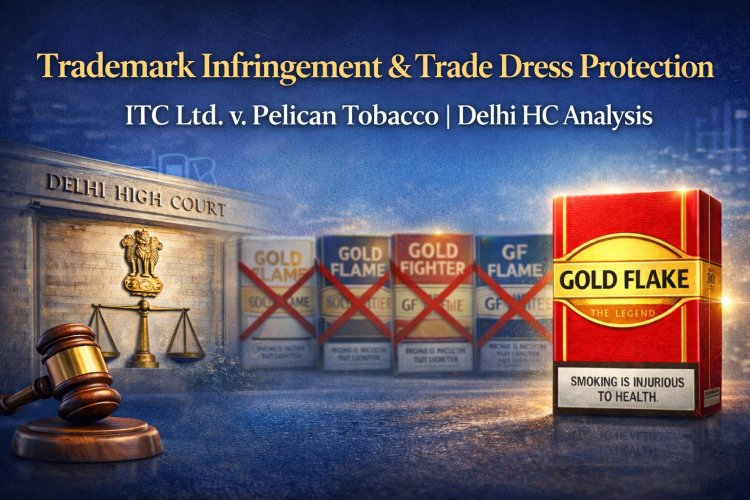
ITC Limited is the registered owner of the “GOLD FLAKE” trademark, enjoying a strong market presence in the cigarette segment. Allegedly, the defendants have been marketing products under deceptive marks and labels—such as “GOLD FLAME,” “GOLD FIGHTER,” “GOAD FLAME,” and “GOAD FIGHTER”—that evoke the plaintiff's brand. The court previously issued injunctions to restrain the defendants from using these similar marks following a finding of deceptive similarity. However, discrepancies arose when defendant invoices indicated sales figures that did not correlate accurately with the figures disclosed in their affidavits, raising concerns over the integrity of their financial disclosures. Compounding the issue, the defendants were found to have adopted a new mark, “GF FIGHTER,” which continued the legacy of deceitful branding.
Legal Issues and Arguments
The heart of the case revolves around several pertinent legal questions:
 Modification of Prior Orders: The defendants sought clarification on the previous order, claiming that their true intentions regarding the “GF FLAME” mark were not accurately represented. They argued that the observations by the court mischaracterized their counsel's statements
Restraining New Marks: The plaintiff insisted that the new mark “GF FIGHTER” similarly infringed upon their rights and constituted an attempt to evade the injunction since it bore a striking resemblance to the “GOLD FLAKE” brand.
Sales Discrepancy: The significant financial discrepancy between the defendants' affidavit and actual sales invoices raised problematic issues regarding their fiduciary conduct, necessitating further scrutiny.
The contrasting positions of the plaintiff and the defendants encapsulate the larger themes of accountability and commercial ethics under trademark law.
Comparative Table: Plaintiff’s Mark Vs Defendant’s Marks
|
Aspect |
Plaintiff: GOLD FLAKE |
Defendants: Impugned Marks |
Court’s Assessment |
|
Word Mark |
GOLD FLAKE
|
GOLD FLAME
|
All impugned marks held deceptively similar to GOLD FLAKE in overall structure, phonetic impression, and commercial impression, likely to cause confusion. |
|
Trade Dress |
Distinctive GOLD FLAKE cigarette packaging and overall get-up (colour scheme, layout, branding style) used by the Plaintiff |
Labels for GOLD FLAME, GOLD FIGHTER, GOAD FLAME, GOAD FIGHTER, GF FLAME and GF FIGHTER used similar layout, colour palette and presentation. |
Court repeatedly found Defendants’ trade dress to be deceptively similar to Plaintiff’s trade dress and constituting infringement and passing off. |
|
Nature of Goods |
Cigarettes/tobacco products marketed under GOLD FLAKE brand. |
Cigarettes/tobacco products marketed under the impugned marks and labels. |
Identical goods sold through similar trade channels aggravated likelihood of confusion. |
|
Market Position |
Established and reputed brand in the cigarette segment with long-standing goodwill. |
Subsequent entrant, attempting to ride on Plaintiff’s reputation by using closely resembling marks and get-up. |
Reputation of GOLD FLAKE enhanced the need for strong protection against look-alike brands. |
|
Court’s Injunctive Relief |
Protection affirmed; Plaintiff’s proprietary rights in GOLD FLAKE and its trade dress recognised and enforced. |
Use of GOLD FLAME, GOLD FIGHTER, GOAD FLAME, GOAD FIGHTER and corresponding labels banned. |
Comprehensive injunction to prevent further infringement and attempts at minor variations to circumvent the order. |
|
Sales and Accounting |
Entitled to seek disclosure and eventual damages or profits arising from Defendants’ infringing sales. |
Invoices showed sales of ₹67,61,075 (including tax) for impugned products vs ₹53,54,857 declared in affidavit, leading to discrepancy of ₹14,06,218. |
Court directed Defendants to file affidavit segregating sales of non-injuncted brands and explaining discrepancy. |


Court's Reasoning
The Delhi High Court, presided over by Justice Tejas Karia, evaluated the arguments put forth by both parties.
- On I.A. 26413/2025 (Modification/Clarification): The court ruled against the defendants' request for modification of the order regarding “GF FLAME,” emphasizing that the prior order was made in the presence of the defendants' authorized representative and their counsel. The court reaffirmed that the statements made during that hearing were voluntarily submitted and reflected the parties' agreed understanding. Hence, there was insufficient basis to modify that record.
- On Injunctive Relief and New Mark “GF FIGHTER”: In its examination of the new mark “GF FIGHTER,” the court reiterated that the defendants’ actions were effectively circumventing previous injunctions against deceptive branding. The court highlighted the continued infringement, asserting that the new mark utilized a trade dress closely resembling “GOLD FLAKE,” and thus warranted substantive injunction safeguards to protect ITC’s rights.
Furthermore, the court noted the glaring numerical discrepancy in sales figures, indicating potential bad faith on the part of the defendants, which bolstered the plaintiff’s position to demand stricter compliance with the court’s orders.
Implications and Conclusion
The ITC Limited v. Pelican Tobacco Co. Ltd. case serves as a critical crossroad for trademark enforcement and consumer protection in India. This litigation underscores the necessity for businesses to keep their brand representations distinct and transparent. The court's decisive stance against deceptive similarity not only protects established brands but also enhances consumer trust in market representations.For companies operating in similar domains, the importance of maintaining clear branding and adapting swiftly to compliance requirements cannot be overstated. This case illustrates the unpredictable nature of legal disputes in IP law and reflects the need for thorough legal counsel to navigate complexities inherent in trademark registration and enforcement.



![‘Honest and Concurrent Use’: A Ground for Defence in Trademark Infringement Matter Case: KEI Industries Limited v. Raman Kwatra and Another [CS(COMM) 9/2021]](https://www.sonisvision.in/blogs/uploads/images/202404/image_100x75_661ec74129876.jpg)