+91 7297051181
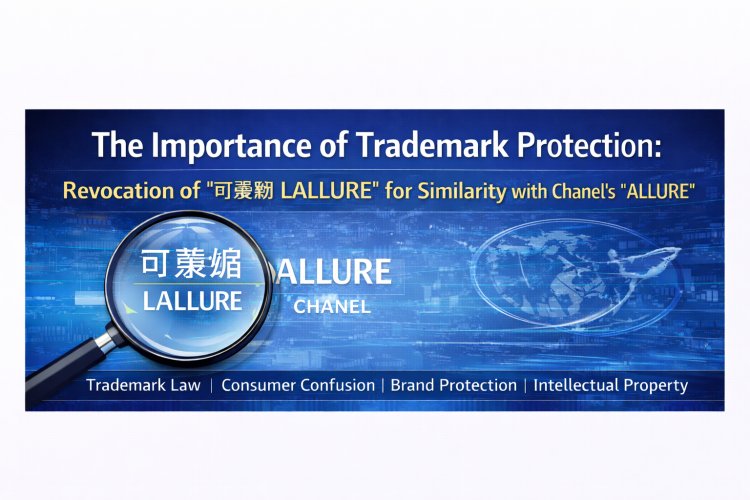
The Importance of Trademark Protection: Revocation of “可萊媚 LALLURE” for Similarity with Chanel’s “ALLURE”
This blog examines the revocation of the trademark “可萊媚 LALLURE” due to its confusing similarity with Chanel AG’s well-known “ALLURE” mark. It explores key principles of trademark law, including likelihood of confusion, similarity of goods, and protection of reputed trademarks, underscoring the importance of due diligence and brand protection in competitive markets.
Introduction
In today’s global marketplace, trademarks serve as vital tools for businesses to establish their identities and build brand loyalty among consumers. A trademark not only protects a brand’s name and products but also ensures that consumers can distinguish between the goods and services offered by different companies. This is particularly crucial in industries like cosmetics, where brand perception and reputation play a significant role in consumer choices. Recently, the revocation of the trademark "可萊媚 LALLURE" under Trademark No. 02381231 has sparked discussions around trademark laws, consumer confusion, and the ongoing battle for brand protection. This decision sheds light on the complexities of trademark law and the importance of safeguarding well-known trademarks against potential infringements.
Case Background
The case in question involved the trademark "可萊媚 LALLURE", which was opposed due to its striking resemblance to Chanel AG's renowned mark, "ALLURE." Chanel, a globally recognized luxury brand, registered "ALLURE" for its line of cosmetics and fragrances, making it one of the most valuable trademarks in the industry. As a result, the adjudicating authority found that the similarities between the two marks posed a significant risk of consumer confusion, justifying the revocation of the registration for "可萊媚 LALLURE".
Details of both parties’ marks are below.
|
Leademade’s Mark |
Chanel’s Mark |
|
Trademark 02381231 Trade mark name-可萊媚 LALLURE Class 003- “Cosmetics; lotions; powders; cosmetics; cleaning lotions; eyeshadow; eyeliner; mascara; eyebrow pens; foundation; beauty mask; eyebrow cosmetics; foundation cream; cosmetics for skin care; skin care products; makeup removers; tissues impregnated with makeup removers; beauty Serum; hair care products; shampoo.” |
Trademark 00625777 Trade mark name- ALLURE Class 006- “Various cosmetics, perfumes, fragrances, cologne, hairdressing water.” |


Key Components of Trademark Law
To understand the implications of this case, it is essential to delve into the primary components of trademark law that played a crucial role in the decision:
1. Similarity of the Marks: The adjudicators conducted a thorough comparative analysis of both trademarks, evaluating their visual, aural, and conceptual attributes. The term "LALLURE" in the opposed mark closely resembles "ALLURE," differing only by a single letter. This similarity was deemed significant enough to create confusion among consumers, both visually and phonetically.
2. Similarity of Goods: The analysis further revealed that the goods under consideration, cosmetics were identical. With both trademarks applied to products in the same market sector, the potential for consumer confusion escalated. The law clearly stipulates that identical or similar marks cannot coexist when they apply to similar goods, as this could mislead consumers regarding the source or quality of the products.
3. Reputation of the Cited Mark: A foundational tenet of trademark law is the protection of well-known marks. Chanel’s "ALLURE" was established as a prestigious and widely recognized trademark heavily associated with luxury cosmetics. Its extensive history, significant advertising presence, and commitment to quality contributed to its reputation, making it eligible for protection against marks that could potentially tarnish its image.
The Risk of Consumer Confusion
One of the core concerns in trademark law is the likelihood of consumer confusion. The adjudicating authority found that the similarities between "可萊媚 LALLURE" and "ALLURE" could lead consumers to mistakenly associate the two trademarks. This confusion may present itself in several forms:
- Source Attribution: Consumers might believe that the products bearing the "可萊媚 LALLURE " mark originate from the same company as those under the "ALLURE" mark or that there is an economic connection between them. This misperception could lead to misconceptions about the quality or desirability of the products.
- Brand Association: Even if consumers are not directly misled into thinking the brands are identical, the mere association of "LALLURE" with "ALLURE" could dilute the luxury perception associated with Chanel’s brand, impacting its reputation and profitability.
To know more about this, please check the link below.
<iframe width="560" height="315" src="https://www.youtube.com/embed/nb4rSCqKDeI?si=pZJiybQOYxaUX3mE" title="YouTube video player" frameborder="0" allow="accelerometer; autoplay; clipboard-write; encrypted-media; gyroscope; picture-in-picture; web-share" referrerpolicy="strict-origin-when-cross-origin" allowfullscreen></iframe>
Legal Framework and Decision
The authority that reviewed the case relied on Article 30 of the Trademark Law, which expressly prohibits the registration of marks that are identical or similar to well-known trademarks for similar goods if such registration is likely to cause confusion. The decision to revoke "可萊媚 LALLURE" was rooted in this article, emphasizing the need for thorough legal frameworks to protect trademarks and the rights of their owners. The ruling aimed to maintain fair competition in the marketplace, protect consumers from potential deception, and safeguard the legitimate rights of the trademark owner, in this case, Chanel AG. It highlights the need for companies seeking trademark protection to be aware of existing trademarks, particularly those with significant reputations and market presence.
Implications for Businesses
The revocation of "可萊媚 LALLURE" serves as a critical reminder of the importance of conducting due diligence before attempting to register a trademark. Businesses must ensure that their proposed marks do not infringe upon existing trademarks to avoid costly legal battles and protect their brand integrity from the outset. Moreover, this case emphasizes the notion that a strong trademark is worth the investment. Brands should be proactive in safeguarding their trademarks by enforcing their rights and being vigilant against potential infringements, as failing to do so could lead to dilution of their brand and loss of consumer trust.
Conclusion
Trademarks are more than just symbols; they are the embodiment of a brand’s identity and a promise of quality to consumers. The revocation of "可萊媚 LALLURE" is a compelling illustration of the intricacies of trademark law and the essential nature of protecting well-established marks in a competitive marketplace. As businesses navigate the evolving landscape of branding and trademarks, it is critical for them to understand the fundamental principles that govern trademark protection. Companies should prioritize brand integrity, invest in their trademarks, and remain vigilant against potential infringements to ensure that their brands continue to thrive in a crowded marketplace. Ultimately, the lessons gleaned from this case serve as a guide for businesses of all sizes, underscoring the importance of respecting trademark rights and the need for fair competition within the commercial arena. The commitment to maintaining brand identity not only fosters consumer trust but also enhances the overall health of the markets in which these brands operate.