+91 7297051181
Understanding Trademark Opposition: The “Lv” vs. Louis Vuitton Case Study
This blog analyzes the “Lv” trademark opposition (Reg. No. 02433262) by Louis Vuitton, focusing on the likelihood of confusion under Article 30(1)(10) of the Trademark Act. It explores visual similarity, overlapping goods, and distinctiveness, highlighting how famous marks are strongly protected and the importance of careful trademark research for brand owners.
Introduction
In the competitive landscape of branding, trademarks serve as essential identifiers of goods and services. They not only protect the interests of businesses but also assist customers in recognizing the source of a product. However, the registration of a trademark does not come without its challenges. One such instance is the case of the “Lv” trademark (Registration No. 02433262), which faced opposition from the renowned French luxury brand Louis Vuitton Malletier & Cie. This case raises important questions about trademark similarity, brand protection, and consumer confusion.
The Overview of the Case
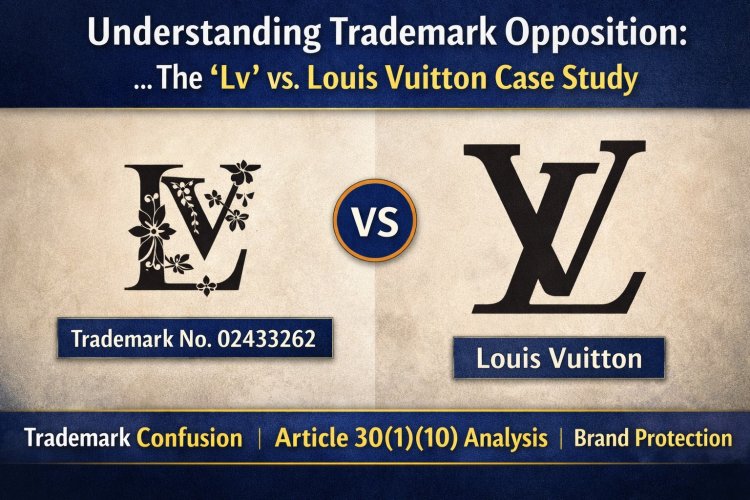
The decision on the “Lv” trademark (Registration No. 02433262) was issued on September 25, 2025, and resulted in the revocation of the trademark. The decision was grounded in the Trademark Act, particularly Article 30(1)(10), which addresses the likelihood of confusion between similar trademarks. The components of the trademark opposition, including the parties involved, the nature of the opposition, and the key legal issues, illustrate the complexity of trademark law. The opposing party, Louis Vuitton Malletier & Cie, argued that the trademark (Registration No. 02433262) bore significant similarities to its existing intellectual property. The opposed trademark, owned by Hebei Um Foreign Trade Co., Ltd. from Mainland China, is described as a monogram-like design consisting of a large stylized “L” with a smaller “V” embedded, embellished with plant motifs. This composition creates a visual that closely resembles Louis Vuitton’s iconic “LV” logo.
Details of the contested trademark are below.
|
Mark |
Registration/ Approval No. |
Class |
|
|
02433262 |
Class 025: “Underwear; Shoes; Hats; Scarves; Belts for clothing; Wedding dress; Socks; Clothing; Sportswear; Children's clothing; Berets; Top hats; Crown hats; Uncapped sun hats; Baseball caps; Swimming caps; Sports hats; Ear covers for protection against the cold; Gloves for clothing; Belts for clothing.” |

Details of the Opponent’s marks are below.
|
Mark |
Registration/ Approval No. |
Class |
|
|
00827212 |
Class 025: “Clothes & Underwear, Sweaters, Shirts, Dresses, Panties, Waist, Belly, Sets, Vests, Waterproof Clothes, Skirts, Coats, Pullover Sweaters, Suit Pants, Jackets, Shawls, Long Scarves, Sashes for Clothing, Necklaces, Ties, Pants, Gloves for Clothing, Leashes for Clothing, Pantyhose, Tights, Socks, Bath Clothes, Bathrobes, Boots, Shoes, Sandals, Hats, Brimless Hats.” |
|
|
00394749 |
Class 040: “Clothes, men's and women's clothing and children's clothing, shawls.” |


Key Legal Issues Addressed
A central issue in this case was whether the “Lv” trademark (Registration No. 02433262) was similar enough to Louis Vuitton’s registered “LV” trademarks to create a likelihood of confusion in the minds of consumers. Under Article 30(1)(10) of the Trademark Act, the examination hinged on several factors, including the visual, conceptual, and phonetic similarities between the marks. The Taiwan’s IP Office (TIPO) also considered whether the goods associated with both marks were identical or similar enough to pose a risk to consumers. Louis Vuitton cited its earlier marks, which consist of overlapping uppercase letters “L” and “V,” alongside a range of goods that included not just clothing but also a variety of accessories worn on the body. The “Lv” trademark (Registration No. 02433262) sought to register similar items, including underwear, shoes, hats, and scarves. This overlap in products only compounded the case for likelihood of confusion, as both marks represented items that served similar functions.
To know more about this, please check the link below.
Likelihood of Confusion Analysis
The decision highlighted the analysis of trademark similarity, evaluating appearance, concept, and pronunciation. On the surface, the “Lv” trademark (Registration No. 02433262) design was a stylized representation of "L" and "V," combined with decorative elements that still managed to invoke the same monogram impression as Louis Vuitton’s registered designs. The authority recognized a high degree of similarity between the two, suggesting that average consumers might readily mistake one for the other. Furthermore, the nature of the goods involved added another layer of confusion. Both the opposed trademark's and Louis Vuitton’s goods function similarly, serving purposes of warmth, protection, and personal adornment. The shared channels of trade-clothing boutiques, department stores, and online platforms, also indicated that consumers might encounter both brands in the same retail contexts, increasing the likelihood of confusion.
Distinctiveness of the Signs
The distinctiveness of a trademark is a crucial determinant in opposition cases. In this instance, Louis Vuitton's “LV” logo is not merely a decorative element; it possesses a high level of inherent distinctiveness. It does not provide a customary or descriptive indication of the goods it represents. As such, it serves as a strong source-identifying sign, effectively distinguishing Louis Vuitton's products from competitors. In contrast, the “Lv” trademark (Registration No. 02433262) lacked the necessary evidence of use or established consumer recognition at the time the application was filed. The absence of marketing efforts and consumer familiarity with the opposed mark contributed to the ruling against it. Without the backing of established use or recognition, the mark lacked the distinctiveness needed to secure its place in a market where it could be confused with a globally recognized brand.
The Importance of Famous Marks Protection
In addition to the likelihood of confusion, there was an additional allegation concerning the potential violation of Article 30(1)(11), which deals with the protection of famous marks from dilution. While this aspect was ultimately left unexamined due to the sufficiency of Article 30(1)(10), it underscores the protective measures in place for renowned trademarks. The law seeks to safeguard well-known brands from any unauthorized use that compromises their distinctiveness or harms their reputation, even if such use does not directly confuse customers regarding the source of goods.
Implications for Trademark Owners
For businesses and trademark owners, this case serves as a pertinent reminder of the importance of protecting intellectual property rights and the necessity of conducting thorough due diligence before pursuing a trademark application. Companies must always consider existing trademarks within their market segment and assess the potential for consumer confusion. The presence of well-established brands, such as Louis Vuitton, undoubtedly raises the stakes for new entrants aiming to secure similar trademarks. Moreover, the case illustrates the value of proactive branding strategies. Businesses should invest in establishing a strong identity for their marks through consistent marketing, consumer engagement, and brand recognition efforts. By fostering familiarity, businesses can develop the distinctiveness needed to stand apart in competitive landscapes.
Conclusion
The trademark opposition case against the “Lv” trademark (Registration No. 02433262) serves as an illustrative example of the complexities underlying trademark law. It emphasizes how the principles surrounding trademark similarity, distinctiveness, and the protection of famous marks play integral roles in determining the fate of brand identities. For trademark owners and legal professionals alike, understanding these dynamics fosters a greater appreciation of not only their obligations but also their rights in establishing and protecting brand equity. Ultimately, this case reaffirms the ongoing relevance of trademark law in safeguarding the interests of businesses and consumers in an ever-evolving marketplace. In summary, being aware of the competitive landscape and employing strategic protection measures can help businesses navigate the intricate world of trademarks effectively, ensuring that their identities remain secure amidst potential threats.