+91 7297051181
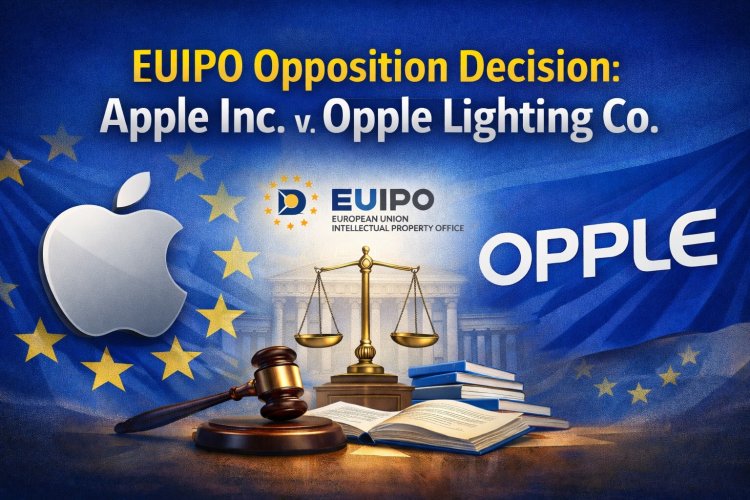
EUIPO Opposition Decision: Apple Inc. v. Opple Lighting Co.
Detailed analysis of the EUIPO opposition decision in Apple v. Opple Lighting examining trademark similarity, reputation evidence, market distinction, and Articles 8(1)(b), 8(5) & 8(4) EUTMR.
Introduction
In the world of trademarks and branding, the decisions made by courts and intellectual property offices can significantly influence market dynamics. One case that highlights the complexities of trademark opposition proceedings is the decision from the European Union Intellectual Property Office (EUIPO) in the matter of Apple Inc. against Opple Lighting Co., Ltd. This case, bearing the opposition number B 3193090, has broad implications for branding strategies, trademark registration, and the protection of intellectual property rights in Europe. The dispute involved Apple Inc., a global leader in technology, opposing a trademark application by Opple Lighting Co., Ltd., a company focused on lighting solutions. The contested mark was the international registration designating the EU as No. 1698480, which featured the sign “OPPLE.” The services associated with this trademark included various Class 35 services related to lighting, such as advertising, business consultancy, procurement, and employment agencies. Apple's opposition was grounded in several legal arguments under the European Union Trademark Regulation (EUTMR), including Article 8(1)(b) relating to the likelihood of confusion, Article 8(5) concerning reputation, and Article 8(4) concerning non-registered marks or other signs. The outcome of the case was pivotal, as the opposition was ultimately rejected in its entirety.
Details of the marks of Opple.
|
Mark |
Application No. |
Class |
|
|
1698480 |
35 |

Details of the marks of Apple.
|
Mark |
Application No. |
Class |
|
|
2592855 |
35, 36, 37, 40 |
|
|
6313316 |
9, 16, 35, 38, 41, 42, |

Key Aspects of the Decision
· Reputation Argument
Apple Inc. cited its established reputation based on earlier trademarks, specifically EUTM No. 2592855 (“APPLE”) and EUTM No. 6313316 (“APPLE”). The EUIPO found that while Apple's reputation was robust in certain categories, it was only proven for select goods and services, specifically in Class 9 (computers, mobile phones, software, and electronic devices) and Class 42 (computer-related services). This finding was crucial; Apple could not extend the reputation argument across the broader Class 35 services associated with lighting solutions.
· Similarity of Signs
One of the most critical aspects of the decision hinged on the comparison of the signs “APPLE” and “OPPLE.” Although both marks share a portion of their spelling, the initial vowels differ, “A” in Apple and “O” in Opple, creating a significant visual and aural distinction. The EUIPO concluded that this initial vowel difference was sufficient to lower the likelihood of confusion among consumers. Additionally, while "APPLE" carries a clear conceptual meaning, "OPPLE" was deemed meaningless, contributing to the conceptual dissimilarity between the two signs.
· Market Distinguishability
From a market perspective, the EUIPO recognized a stark division between the sectors represented by Apple and Opple. Apple operates chiefly in the technology ecosystem, while Opple is rooted in the lighting business. This divergence further reduced the likelihood of consumer confusion. The office noted that consumers would not form a mental link between the two brands, as they function in different marketplaces.
Conclusion on Grounds Invoked
The EUIPO's findings led to a rejection of all grounds of opposition:
· Under Article 8(1)(b), the decision underscored that despite some overlap in services, the conceptual differences prompted by the distinct meanings of “APPLE” and “OPPLE” nullified any potential for confusion.
· The Article 8(5) arguments concerning reputation were dismissed due to the lack of a discernible link between the two brands in consumers' minds.
· Lastly, Article 8(4) claims were rebuffed in most member states as the opponent failed to provide adequate national law context and had not demonstrated the necessary elements of passing off in Ireland.
As a result of the decision, Apple Inc. was ordered to pay EUR 300 in costs.
Implications of the Decision
· For Trademark Owners
This decision underscores the importance of aligning evidence of a brand's reputation specifically with the goods or services in question. Often, companies might assume that their overall brand fame will be sufficient to warrant protection across different categories, but this case illustrates the necessity for precise and relevant evidence. Trademark owners should focus on showcasing their reputation in relation to the exact services or products they aim to protect.
· Decision-Making on Trademark Filings
For those considering filing trademark applications, this case exemplifies the necessity of a thorough analysis of distinctiveness and market proximity before pursuing legal challenges. The EUIPO's emphasis on initial-letter differences and conceptual meanings highlights how these factors can decisively avert confusion, especially in short word marks. Companies must be vigilant about avoiding any potential overlaps that could result in legal disputes.
· Legal Evidence and Article 8(4)
The case also serves as a reminder for opponents invoking Article 8(4) claims to provide specific national law provisions along with a clear demonstration of goodwill and possible misrepresentation risks. Generalized brand fame is not sufficient; specificity and targeted legal proof are essential to succeed.
Recommended Actions for Trademark Opponents
In light of the decision, companies contemplating opposition to a trademark application should:
· Evaluate Appeal Prospects: Consider whether there are valid arguments for appeal, focusing on possible errors in the analysis under Article 8(5). Thoroughly assess whether the overlap in commercial channels could be better evidenced to strengthen the case.
· Reinforce Reputation Claims: If appealing, it's crucial to enhance evidence of reputation or distinctiveness specifically relevant to the contested services. Bolstering arguments around market proximity between technology and lighting sector services could benefit the case.
· National Law Considerations: If planning to reassert claims under Article 8(4) in future disputes, ensure comprehensive legal documentation is filed, including national law extracts and specific evidence of goodwill and misrepresentation risks for each member state involved.
Recommended Actions for Trademark Holders
For the mark holders such as Opple Lighting Co., Ltd, the following strategies are advisable:
· Proceed with Trademark Use: Continue using the registered trademark in the EU for the litigated Class 35 lighting services. Establishing a consistent presence can help solidify market position and brand recognition.
· Maintain Clear Sectoral Positioning: Avoid associations with consumer technology to mitigate the risk of future trademark challenges. Maintaining clarity in sector positioning can help in distinguishing the brand from tech companies like Apple.
Conclusion
The EUIPO opposition decision concerning Apple Inc. and Opple Lighting Co., Ltd. serves as a critical lesson in the nuances of trademark law. It illustrates how reputation, the similarity of signs, and market distinction play pivotal roles in the opposition process. Companies must be proactive in their approach to brand protection, ensuring that they possess both robust evidence and a sound strategy when navigating the complexities of trademark registrations and oppositions. As markets evolve and the competitive landscape intensifies, understanding these legal intricacies will be paramount for brands looking to safeguard their identities and leverage their reputations effectively.