+91 7297051181
Lepton vs. Samsung: The Foldable Phone Patent War
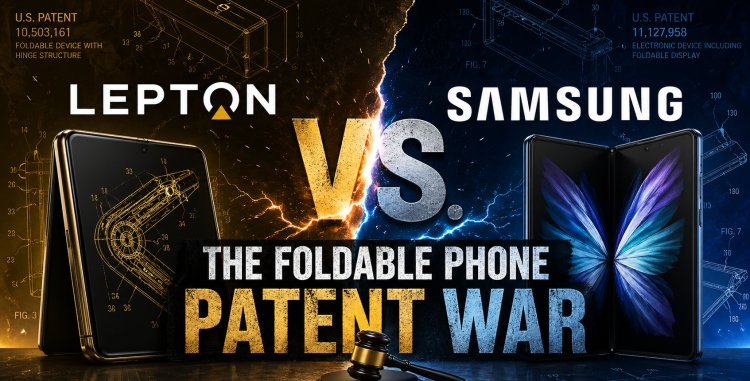
A small two-person startup, Lepton Computing LLC, has initiated a high-stakes patent infringement lawsuit against Samsung, seeking damages and even a complete ban on its Galaxy Z foldable smartphone lineup in the United States. The dispute raises critical questions about patent rights, innovation, and the role of non-practicing entities in the technology sector. This article examines the claims, legal challenges, and broader implications of this emerging patent battle.
Introduction
Imagine spending years developing a technology, only to see a global tech giant commercialize it—prompting legal action in response. This forms the basis of Lepton Computing LLC’s lawsuit against Samsung, which has quickly become one of the most discussed patent disputes in the smartphone industry. The case not only concerns alleged infringement but also highlights deeper tensions within patent law and technological innovation.
The Lawsuit That Got Everyone Talking
On April 23, 2026, Lepton Computing LLC filed a patent infringement suit against Samsung Electronics and its US subsidiary in the US District Court for the Eastern District of Texas. The lawsuit targets Samsung’s entire foldable smartphone range, including the Galaxy Z Fold, Galaxy Z Flip, and Galaxy Z TriFold.
Lepton is seeking damages, royalties, treble damages for alleged willful infringement, and a permanent injunction on Samsung’s foldable phone sales in the United States—an extraordinary remedy that could significantly impact the market.
Background of Lepton Computing LLC
Lepton positions itself as an early innovator in foldable phone technology. Its founder, Stephen Delaporte, is said to have explored foldable display concepts as early as 2008. The company also claims to have developed a prototype device known as the “Lepton Flex.”
However, there is limited public evidence supporting these claims. Lepton reportedly has no established product history, minimal public presence, and only a small operational structure. Such entities are often categorized in patent law as Non-Practicing Entities (NPEs), raising questions about the intent and use of their patent portfolios.
Patents in Dispute
The lawsuit is based on nine patents that relate to essential components and functionalities of foldable smartphones, including:
· Flexible OLED display mechanisms
· Hinge design and structural configuration
· Display protection during folding processes
· Integration of internal hardware components
· App continuity across multiple screens
· Multi-tasking features linked to device folding
· User interface systems for foldable formats
· Sensor placement near hinge areas
· Overall system architecture
If upheld, these patents could have far-reaching consequences for the foldable smartphone industry.
To know more about this, click the link below -
The 2013 Meeting Allegation
Lepton alleges that in 2013, it shared confidential technical information and prototype concepts with Samsung during a meeting. It claims that Samsung subsequently used this information without authorization.
If substantiated, this could amount to willful infringement, thereby justifying enhanced damages. However, Samsung has not yet issued a public response.
Possible Outcomes
The dispute may conclude in several ways:
· Dismissal: If the patents are invalidated or found inapplicable
· Settlement: A common resolution in patent disputes
· Damages: Monetary compensation without injunctive relief
A complete sales ban on Samsung’s foldable devices remains unlikely due to the high legal threshold for such remedies.
The Bigger Picture
This case underscores broader concerns about patent enforcement in the technology industry. While patents are essential for protecting innovation, they can also be leveraged strategically by entities that do not actively commercialize products.
Samsung’s substantial investment in developing foldable technology contrasts with Lepton’s lack of market presence. Additionally, the selection of the Eastern District of Texas—known for its plaintiff-friendly approach in patent cases—adds another layer of strategic consideration.
Conclusion
The Lepton vs. Samsung dispute highlights the complexities of patent law in rapidly evolving technological domains. While the patent system aims to reward innovation, cases like this raise concerns about its potential misuse.
Lepton may claim early conceptual contributions, but Samsung has played a pivotal role in bringing foldable technology to the consumer market. The outcome of this case will not only determine the rights of the parties involved but may also influence how patent law adapts to innovation-driven industries in the future.