+91 7297051181
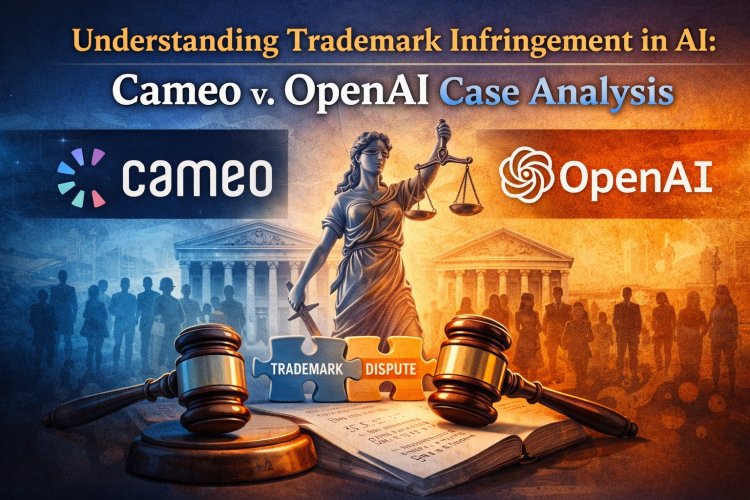
Understanding Trademark Infringement in AI: Cameo v. OpenAI Case Analysis
An analytical overview of the trademark infringement lawsuit Cameo v. OpenAI, examining likelihood of confusion, trademark dilution, and unfair competition claims arising from OpenAI’s use of “Cameo” in its AI video services.
Introduction
In the ever-evolving landscape of technology and digital marketplaces, instances of trademark disputes have become increasingly common. One such case that has gained attention is “Baron App, Inc. d/b/a Cameo v. OpenAI, Inc. et al.”, filed in the United States District Court for the Northern District of California under case number 3:25-cv-09268 on October 28, 2025. This case raises critical questions about the balance between innovation and intellectual property rights in the digital age.
Background of the Complaint
Cameo, a well-known platform that allows users to purchase personalized video messages from celebrities, is at the center of this lawsuit. The company, which operates under the name Baron App, Inc., possesses several federal trademark registrations for its CAMEO® brand. Managing a unique digital marketplace, Cameo connects fans and celebrities through personalized interactions, establishing a distinct identity in the entertainment industry. The crux of the complaint arises from OpenAI’s introduction of a feature called “Cameo” within its Sora AI video application. This feature enables users to create and share AI-generated videos, featuring digital likenesses of both themselves and various celebrities. However, the selection of the name "Cameo" has sparked contention, leading to allegations from Cameo that OpenAI's service directly competes with their offerings and causes confusion in the marketplace.
Legal Claims: An Overview
Cameo's legal complaint is multifaceted, encompassing a range of claims based on federal and state trademark laws. The primary allegations include:
· Federal Trademark Infringement: According to 15 U.S.C. § 1114, Cameo asserts that OpenAI's use of the name "Cameo" infringes on their federally registered trademarks. The key issue revolves around whether consumers are likely to confuse the two brands due to the similarity in name and the overlap in services.
· False Designation of Origin: Under 15 U.S.C. § 1125(a), Cameo argues that there is a false designation of origin concerning OpenAI's use of the "Cameo" feature, which may mislead consumers about the source of the service.
· Unfair Competition Claims: Possible claims under both federal and state laws concerning unfair competition have also been raised. It should be assessed whether OpenAI's conduct constitutes unfair competition that could be detrimental to Cameo's business operations.
· Trademark Dilution: Cameo alleges that OpenAI’s actions dilute their famous trademark, which is a serious claim under federal law (15 U.S.C. § 1125(c)) and California state law (California Business & Professions Code § 14247).
· California Common Law Claims: Adding depth to the lawsuit, Cameo has also invoked California common law for trademark infringement and unfair competition, which could further entrench their argument against OpenAI.
The Legal Issues at Stake
One of the primary legal issues that this case presents is whether OpenAI's use of the term "Cameo" in relation to its AI video service infringes upon Cameo's CAMEO® trademark. This raises important points of inquiry:
· Likelihood of Confusion: Courts typically analyse the likelihood of confusion based on several factors, including the proximity of the goods and services, the similarity of the marks, and the channels of trade. Cameo asserts that the overlap in services will confuse consumers, as many celebrities featured by OpenAI are also associated with Cameo.
· Dilution of Famous Marks: The concept of trademark dilution speaks to the risk that a famous trademark can lose its distinctiveness or value due to unauthorized use. Cameo argues that OpenAI's actions dilute their brand equity by blurring or tarnishing their mark.
· Consumer Confusion: A significant aspect of trademark law is preventing consumer confusion. Misdirected customer service requests or misidentification of video sources, as reported by Cameo, could suggest that consumer confusion is indeed occurring.
T To know more about this, you can follow the below link:
Tt
Claims for Relief
In light of the legal claims presented, Cameo is pursuing multiple forms of relief. They seek:
· Injunctive Relief: Both preliminary and permanent injunctions to stop OpenAI from using the "Cameo" name or any similar variations.
· Damages: An accounting of the profits OpenAI has made from its "Cameo" feature and compensation for damages incurred by Cameo due to the infringement.
· Treble Damages and Attorney’s Fees: Due to the allegedly wilful conduct of OpenAI, Cameo is requesting treble damages under applicable law, highlighting the severity of the alleged trademark infringement.
· Jury Trial: The plaintiff has requested a jury trial, which is a common practice in trademark cases where jury evaluations can provide unique insights into consumer perception and confusion.
Conclusion
The lawsuit between Cameo and OpenAI underscores the complex intersection of technology, marketing, and intellectual property rights in our digital landscape. As AI technologies increasingly incorporate elements of human likeness and brand identity, determining ownership and rights becomes crucial for protecting distinct brand identities. The outcome of this case could have far-reaching implications not only for Cameo and OpenAI but also for other companies operating in the tech and entertainment sectors. As courts navigate these challenges, they will likely set precedents that balance innovation with the protection of intellectual property rights. As digital platforms continue to blur the lines between interaction and impersonation, the resolution of such disputes will be essential in shaping the future of brand identity and consumer trust in the digital marketplace. Ultimately, this case may serve as a critical reminder of the need for vigilance in protecting one's brand while fostering an environment of healthy competition and creativity.