+91 7297051181
Trademark Infringement in the Food Industry: Delhi High Court’s Interim Injunction in Lotus Bakeries vs. Micks Products
Explore the Delhi High Court case Lotus Bakeries N V v. Micks Products LLP, highlighting trademark infringement, trade dress imitation, and the protection of iconic brands like Biscoff. Learn how the court granted an interim injunction to prevent consumer confusion and safeguard brand integrity in the competitive baked goods sector.
Introduction
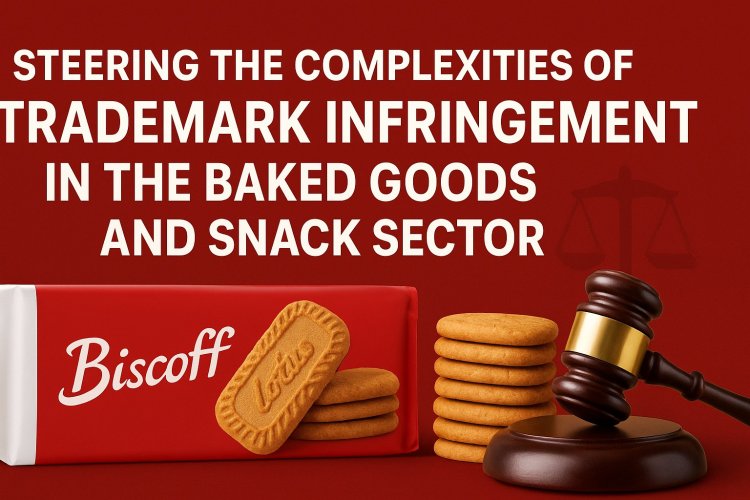
In recent years, the importance of intellectual property rights (IPR) has surged, especially in the global marketplace where brands strive for distinction and recognition. One illuminating case that underscores the nuances of trademark law is Lotus Bakeries N V v. Micks Products LLP & Ors. CS(COMM)861/2025, adjudicated by the High Court of Delhi on August 20, 2025. This case exemplifies the complexities surrounding trademark infringement and the legal protections available to brand owners. The Plaintiff, Lotus Bakeries N V, is well-known internationally for its delicious BISCOFF biscuits, a product that has garnered a strong following and loyalty among consumers. With its trademark registered in numerous countries since 1987, Lotus Bakeries has invested significantly in building its brand image and consumer trust centred around the qualities and flavours of its BISCOFF biscuits. However, Lotus Bakeries found itself on the defensive against Micks Products LLP, which allegedly adopted similar packaging and biscuit shapes that closely resembled its well-established products. Such actions raised serious concerns over potential consumer deception, prompting Lotus Bakeries to seek legal recourse. The Plaintiff argued that the Defendants infringed upon Lotus Bakeries’ trademarks and trade dress, specifically pertaining to the unique characteristics of the BISCOFF biscuits. The claims centred on two critical aspects: the unauthorized use of the BISCOFF trademark and the adoption of nearly identical shapes and packaging, which could mislead consumers into thinking they were purchasing authentic BISCOFF products. This situation was further exacerbated by the Defendants’ marketing strategies, which mirrored Lotus Bakeries’ branding efforts, including their distinctive color scheme.
The details of Plaintiff’s registered marks (word/device) and/or trade dress/ packaging in class 30 across the globe, some of which are below.
|
Mark |
Application No. |
Class |
Country |
|
BISCOFF |
2068163 |
30 |
India |
|
|
IRDI-4060086 |
30 |
India |
|
Lotus |
DZ/T/2022/001179 |
30 |
Algeria |
|
|
2033870 |
30 |
Australia |
|
LOTUS |
BH/T/1/127624 |
30 |
Bahrain |
|
|
BH/T/1/136352 |
30 |
Bahrain |
|
|
018516962 |
30 |
European Union |
|
|
305059035 |
30 |
Hong Kong |
|
|
4020190135166 |
30 |
Republic of Korea (South) |
|
|
40201916652X |
30 |
Singapore |
|
|
10167/2019 |
30 |
Switzerland |
|
|
317254 |
30 |
UAE |
|
|
UJ00911774155 |
30 |
European Union |
|
|
87979185 |
30 |
USA |
|
|
1637166/M |
30 |
Brunei Darussalam, Brazil, Colombia, Mexico, Pakistan, Syrian Arab Republic, Tunisia |
|
|
018322498 |
30 |
European Union |
|
|
010119378 |
30 |
European Union |
|
|
UK00910119378 |
30 |
UK |


To know more about this you can follow the link below:
The details of Defendant’s marks (word/device) and/or trade dress/ packaging in class 30 in India are below.
|
Mark |
Application No. |
Class |
|
|
7284754 |
30 |
|
MICKS BELGI-YUMM SPECULOOS BISCUIT SPREAD |
7309511 |
30 |
|
Micks Belgiyumm Speculoos Biscuit Spread |
7309511 |
30 |
|
|
7309512 |
30 |
|
|
7309513 |
30 |
|
MICKS CHOCO RUSH |
7309514 |
30 |
|
|
7309515 |
30 |
|
MICKS BELGI-YUMM SPECULOOS BISCUIT |
7309516 |
30 |
|
|
7309517 |
30 |
|
|
7309518 |
30 |
|
MICKS CARAMIA |
7309519 |
30 |
|
|
7309520 |
30 |
|
MICKS NUTALIA HAZELNUT PASTE |
7309525 |
30 |
|
|
7309526 |
30 |
|
|
7309527 |
30 |
|
MICKS RAINBOW |
7309528 |
30 |
|
|
7309529 |
30 |
|
|
7309530 |
30 |
|
MICKS FRENCH BISCUIT CRUNCH |
7309531 |
30 |
|
|
7309532 |
30 |
|
MICKS NUTALIA PISTACHIO PASTE |
7309533 |
30 |
|
MICKS NUTALIA PISTACHIO KUNAFA PASTE |
7309534 |
30 |


Legal Proceedings and Court's Decision
Given the urgency of the matter, Lotus Bakeries sought a permanent injunction against the Defendants, aiming to prevent further marketplace confusion and dilution of its brand. The court was approached with an application for exemption from pre-institution mediation, as provided under the Commercial Courts Act, 2015, allowing the court to expedite the injunction request.
Upon reviewing the claims and evidence presented, the High Court, presided over by Hon’ble Justice Mr. Tejas Karia, recognized that the case presented a prima facie basis for an interim injunction. This decision was driven largely by considerations surrounding consumer deception and the potential for irreparable harm that could arise if the Defendants continued their contested activities. In granting the ex-parte ad-interim injunction, the court prohibited Micks Products LLP from selling or marketing any products that could be construed as infringing upon Lotus Bakeries’ registered trademarks.
Key Legal Issues Addressed
The central legal issue revolved around whether the Defendants’ actions constituted trademark infringement and trade dress violation of the Plaintiff’s registered rights. In determining this, the court needed to evaluate several key factors:
· Strength of the Trademark: BISCOFF’s longstanding presence and recognition in the market provided a strong foundation for Lotus Bakeries’ claims. The reputation built over decades reinforced the brand’s standing against any attempts at imitation.
· Similarity of Products: The court assessed the degree of similarity between the Defendant’s biscuit shapes and packaging as compared to those of Lotus Bakeries. The more analogous the products, the greater the likelihood of confusion among consumers
· Intent of the Defendants: An analysis of the Defendants' intentions behind the adoption of similar branding and packaging was critical. If found to be in bad faith, such actions could further solidify Lotus Bakeries’ case for infringement.
The court emphasized the importance of protecting well-established brands from dilution and damage resulting from significantly similar marketing representations. This decision was not only crucial for Lotus Bakeries but also served as a warning to other entities considering similar branding tactics in the competitive food industry.
Implications of the Decision
The implications of the High Court's decision extend far beyond the immediate parties involved. It reinforces the necessity for businesses to rigorously protect their trademarks and trade dress against infringement. In a market flooded with products vying for consumer attention, the risk of consumer deception is ever-present. Companies must ensure their branding is distinctive and safeguarded. Additionally, the verdict highlights the judicial system's role in navigating these disputes effectively and expeditiously to prevent irreparable damage to brand reputations. Brands equipped with robust legal representation stand a better chance of defending their intellectual properties, but it also calls for vigilance in monitoring the competitive landscape.
Conclusion and Future Proceedings
As the case moves forward, scheduled for further hearings on December 4, 2025, it serves as critical reading for both legal practitioners and brand managers. The continued dialogue surrounding trademark law will provide deeper insights into enforcement strategies and brand protection in the age of globalization. The order issued by the Delhi High Court, illustrates the judiciary's recognition of the importance of trademark rights and the necessity of interim relief to avert further consumer confusion. It is a reminder of the ongoing battle brands face in protecting their identity and the legal channels available to them when that identity is at risk. In the evolving world of consumer goods, the case of Lotus Bakeries N V v. Micks Products LLP paints a vivid picture of the intersection of branding, law, and corporate vigilance, ensuring that innovation and tradition can coexist without one undermining the other.