+91 7297051181
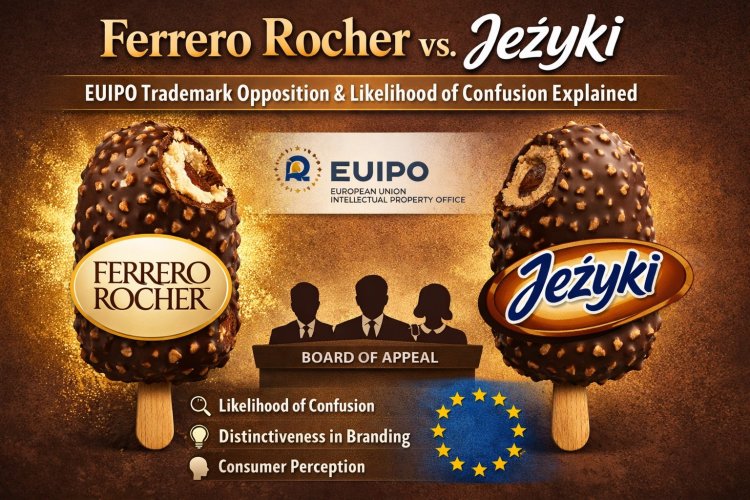
Ferrero Rocher v. Jeżyki: EUIPO Trademark Opposition & Likelihood of Confusion Explained
Explore the EUIPO Board of Appeal decision in R 1196/2025-2 between Ferrero Rocher and Jeżyki. Learn how the EU trademark opposition assessed likelihood of confusion, non-distinctive imagery, and the dominance of verbal elements in food sector branding disputes.
Introduction
In the world of brand identity, trademarks serve as vital indicators of the source of goods and services. They provide a way for consumers to recognize and differentiate products in crowded markets. However, conflicts over trademarks can arise, leading to legal disputes that can significantly impact brands. One such case is the appeal R 1196/2025-2, concerning the trademark opposition between SOREMARTEC S.A., the applicant behind the “FERRERO ROCHER” mark, and Colian Spółka z Ograniczoną Odpowiedzialnością, the opponent owning the “JEŻYKI” mark.
The Basics of Trademark Opposition
Trademark opposition occurs when parties contest the registration of a trademark, claiming it may cause confusion with their existing marks. The opposition can be based on various grounds including similarity in marks, similarity in goods, and the likelihood of confusion among consumers. The European Union Intellectual Property Office (EUIPO) oversees such disputes. In the case at hand, the Second Board of Appeal of the EUIPO addressed an opposition against SOREMARTEC's application for a figurative mark featuring a chocolate-coated ice-cream bar that was filed on March 21, 2023. Colian, the opponent, argued that their existing mark depicting a similar ice-cream bar with the word “JEŻYKI” created confusion due to the likelihood of similarity in the goods offered.
Summary of Marks at Issue
1. Earlier Mark (Colian) - EUTM No 17 288 283:
- Depicts: A round chocolate-coated ice-cream bar on a stick with the word "Jeżyki."
- Registered for: Class 30, specifically ice cream.

2. Contested Mark (SOREMARTEC) - EUTM application No 18 851 177:
- Depicts: A round chocolate-coated ice-cream bar on a stick, featuring visible filling, hazelnuts, and a decorative golden background, including the words "FERRERO ROCHER" in a circular device.
- Applied for: Class 30, covering ice cream, sorbets, and other edible ices.

Procedural History and Key Events
Key dates in the proceedings provide insight into how this case unfolded:
- March 21, 2023: Application filed by SOREMARTEC.
- May 23, 2023: The application was published.
- August 7, 2023: Colian filed an opposition based on Article 8(1)(b) EUTMR, necessitating proof of genuine use of the earlier mark.
- May 23, 2025: The Opposition Division rejected the opposition entirely, leading to an appeal by Colian on July 3, 2025, which ultimately culminated in the Board's decision on December 17, 2025.
Issues at Stake
The appeal raised numerous issues central to trademark law:
1. Are the goods at issue identical or similar?
2. Has the relevant public and its level of attention been correctly identified?
3. Is the figurative representation of the ice-cream bar distinctive or merely non-distinctive in the sector?
4. Is there a likelihood of confusion based on the similarities and differences of the marks, especially focusing on the verbal elements “JEŻYKI” versus “FERRERO ROCHER”?
5. Did the Opposition Division dismiss the opposition without a proper assessment of proof of use?
To know more about this, please check the link below.
Findings of the Board of Appeal
After careful analysis, the Board of Appeal dismissed Colian's appeal for several reasons.
1. Goods Comparison:
The Board determined that the goods in question (ice creams and sorbets) were indeed identical or highly similar. The classification of these products under Class 30 indicated that they would be marketed through similar channels, aimed at similar consumer groups.
2. Public Attention Level:
The relevant public is generally recognized as everyday consumers with an average level of attention when purchasing ice creams. This notion remained uncontested during the appeal.
3. Distinctiveness of Imagery:
One of the critical aspects of this case was whether the representation of a round chocolate-coated ice-cream bar signified anything distinctive in the ice cream market. The Board pointed to established EU case law, concluding that the imagery in both marks was non-distinctive and had limited weight in assessing the likelihood of confusion.
4. Verbal Differences:
The distinction between the verbal elements was stark. “JEŻYKI” and “FERRERO ROCHER” presented clear differences not only visually but also phonetically and conceptually. This differentiation highlighted the brand identities sufficiently to avoid consumer confusion.
5. Cost Implications:
The Board ordered that Colian bear the costs of the appeal, enforcing financial accountability in unsuccessful opposition claims.
Conclusion: Implications for Trademark Law
The ruling in the Ferrero Rocher v. Jeżyki case underscores several important principles of trademark law. It emphasizes the significance of distinctiveness in both visual and verbal components of trademarks, particularly in industries characterized by common imagery. Additionally, the case illustrates the careful consideration given to consumer perception and market realities. The decision reflects a broader tendency in European trademark jurisprudence to favor a nuanced approach, where the characteristics of the marks, not just their superficial similarities, are weighed. This ruling may also serve as a precedent for future cases involving figurative marks in the food sector, where visual elements often share substantial commonality.