+91 7297051181
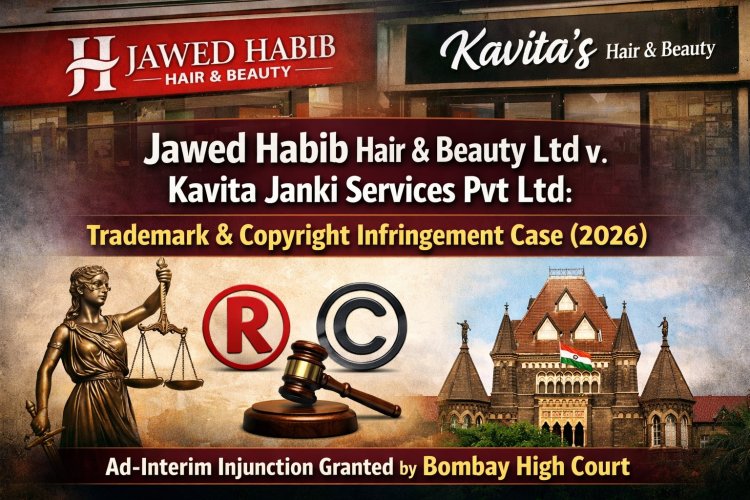
Jawed Habib Hair & Beauty Ltd v. Kavita Janki Services Pvt Ltd: Trademark & Copyright Infringement Case (2026)
A case analysis of Jawed Habib Hair & Beauty Ltd v. Kavita Janki Services Pvt Ltd, 2026 SCC OnLine Bom 30, where the Bombay High Court granted ad-interim injunction against a former franchisee for unauthorized trademark and copyright use, reinforcing brand protection and franchise law enforcement in India.
Introduction
In the dynamic world of business, protecting intellectual property is crucial for maintaining brand integrity, customer trust, and ultimately, competitive advantage. The recent case of Jawed Habib Hair & Beauty Ltd v. Kavita Janki Services Pvt Ltd, 2026 SCC OnLine Bom 30, serves as a notable example of how issues of trademark infringement, copyright protection, and franchise law can intersect in the commercial landscape. This blog will delve into the details of the case, highlight its significance, and discuss the broader implications it has for businesses operating under franchise agreements.
Background of the Case
The plaintiff, Jawed Habib Hair & Beauty Limited, a well-established name in the beauty industry since 2006, has built a strong brand identity with registered trademarks, including "Jawed Habib," the "JH" logo, and various composite marks. Their reputation and goodwill are closely tied to these trademarks, which are not just identifiers of their services but also embody the quality and standards associated with their brand. The defendant, Kavita Janki Services Pvt Ltd, was a former franchisee of Jawed Habib. Under a franchise agreement that was effective from May 20, 2014, to May 19, 2017, they were permitted to use the plaintiff's marks. However, once the agreement expired, the defendant continued to use these trademarks without authorization. This unauthorized use is where the heart of the legal contention lies.
The Legal Journey
In response to this infringement, Jawed Habib issued a cease-and-desist notice to Kavita Janki Services on June 24, 2024, demanding that they cease their use of the Plaintiff's trademarks. The failure of the defendant to respond to this notice or appear in court after being served with the suit raised significant concerns regarding their intentions and willingness to comply with intellectual property laws. The High Court of Bombay took up the case, leading to a critical examination of the legal framework surrounding trademark infringement, copyright infringement, and passing off. The court’s focus was primarily on whether a prima facie case existed for granting ad-interim injunctive relief.
Legal Findings and Considerations
The High Court, presided over by Justice Sharmila U. Deshmukh, carefully weighed the evidence presented. Key factors influencing the court's decision included:
1. Existence of a Franchise Agreement: The court observed that the franchise agreement explicitly acknowledged the plaintiff's ownership of the trademarks. Upon expiration, the defendant’s right to use these trademarks was extinguished, making their continued use unlawful.
2. Evidence of Unauthorized Use: An additional affidavit, which included photographic evidence dated December 18, 2025, illustrated the defendant's ongoing unauthorized use of the trademarks. Such evidence played a pivotal role in establishing a credible claim for infringement.
3. Absence of Defense from the Defendant: The defendant’s lack of response to the cease-and-desist notice and their absence in court suggested a weak or non-existent defense against the claims of trademark infringement and copyright violations.
4. Potential for Consumer Confusion: The court recognized that the unauthorized use of the plaintiff's trademarks could lead to consumer confusion, damaging the plaintiff's brand and reputation. Protecting consumer interests and the goodwill associated with recognized trademarks was a key consideration for the court.
To know more about this, please check the link below.
The Court's Ruling
Given these findings, the High Court granted ad-interim relief to Jawed Habib Hair & Beauty Ltd. The injunction restrained Kavita Janki Services Pvt Ltd from:
- Infringing upon the registered trademarks, including "The Jawed Habib," "Jawed Habib Hair & Beauty," and "JH Logo," or any deceptively similar marks related to salon services.
- Infringing upon the copyright of the artistic "JAWED HABIB" caricature label.
- Passing off their salon services by utilizing the plaintiff's marks or similar labels.
Implications for Franchise Operations
This case highlights several critical lessons for businesses operating under franchise models:
1. Importance of Clear Franchise Agreements: A well-defined franchise agreement that articulates the terms of trademark use and the consequences of expiration is vital. Such agreements must unequivocally state the rights and obligations of both parties concerning intellectual property.
2. Monitoring Trademark Use: Franchise owners must actively monitor the use of their trademarks to ensure compliance by franchisees. Timely enforcement of trademark rights, including issuing cease-and-desist notices when necessary, sends a clear message about the seriousness of intellectual property rights.
3. Understanding the Legal Framework: Both franchisors and franchisees must have a solid understanding of trademark and copyright laws. This knowledge can help in navigating potential disputes and ensuring adherence to legal requirements.
4. Consumer Protection: Protecting the brand is not merely about corporate interests; it also involves safeguarding consumers from confusion and misleading representations in the marketplace. Courts are likely to favor plaintiffs who demonstrate a commitment to maintaining clarity in trademark use.
Conclusion
The Jawed Habib Hair & Beauty Ltd v. Kavita Janki Services Pvt Ltd case exemplifies the crucial role of trademark protection in the franchise industry and underscores the need for both franchisors and franchisees to engage in practices that safeguard intellectual property rights. As businesses continue to navigate complex commercial landscapes, the lessons from this case provide a roadmap for effectively managing brand integrity and legal compliance. Understanding these aspects not only fortifies businesses against infringement but also builds a framework for trust and transparency within the franchise model, ultimately benefiting both parties in the long run. In a world where brand identity matters more than ever, vigilant protection of intellectual property is not just advisable; it is essential.