+91 7297051181
Understanding Trademark Infringement in India: B.C. Hasaram & Sons v. Smt. Nirmala Agarwal Case Analysis
A detailed analysis of the Delhi High Court’s decision in B.C. Hasaram & Sons v. Smt. Nirmala Agarwal (2025) examining deceptive similarity, trademark infringement, and e-commerce jurisdiction. The ruling reinforces brand protection principles while emphasizing evidence-based damages in intellectual property disputes.
Introduction
In the ever-evolving landscape of intellectual property law, trademark infringement cases often elicit considerable interest, shedding light on the complexities of brand protection and consumer rights. One such pivotal case is B.C. Hasaram & Sons v. Smt. Nirmala Agarwal, RFA (COMM) 214/2025, CM APPL. 22330/2025 & CM APPL. 22331/2025, adjudicated by the High Court of Delhi on November 12, 2025. This case highlights critical aspects of trademark and copyright laws under Indian jurisdiction, the enforcement mechanisms available to trademark owners, and the implications of e-commerce on territorial jurisdiction. This blog delves into the details of this case, its implications, and what it signifies for businesses navigating the murky waters of intellectual property rights.
Case Overview
At its core, the case revolves around the alleged infringement of the registered trademark “Nayan Jyoti” by B.C. Hasaram & Sons, who marketed their products under the name “Amrit Nayan Jyoti.” The plaintiff, Smt. Nirmala Agarwal, is the proprietor of M/s Karmayogi Sharbhang Muni, a business she claims to have established in 1990, with the brand “Nayan Jyoti” registered and widely recognized across India.
Background and Allegations
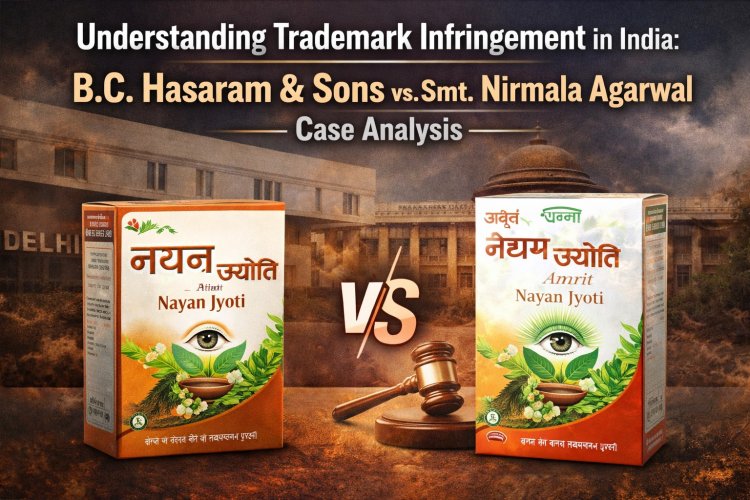
The plaintiff asserted that her brand “Nayan Jyoti” was not only registered but also had substantial goodwill associated with it. She claimed exclusive rights to its use in the market. The infringement allegations stemmed from the defendant's marketing of a product that closely resembled her own in name, appearance, and packaging.
Key elements identified in the alleged infringement included:
· The use of “Nayan Jyoti” within the name “Amrit Nayan Jyoti.”
· Similar color schemes (orange and white).
· Comparable product design and imagery.
· The pricing structure that mirrored the plaintiff's offerings.
Additionally, the plaintiff presented evidence of past regulatory actions taken against the defendant, indicating a history of trademark infringement. A 2009 warning letter from the Licensing Officer and Director of Ayurveda and Unani Services in Uttarakhand asserted that the defendant had previously engaged in similar unfair practices, further weighing against their credibility in this litigation.
The Proceedings in Trial Court
The trial court, District Judge (Commercial Courts), North East District, Karkardooma Courts, Delhi, addressed the issue of permanent injunction and damages in its decision. It found sufficient evidence to grant a decree of permanent injunction against B.C. Hasaram & Sons, thereby restraining them from using the impugned mark “Amrit Nayan Jyoti” or any deceptively similar variations. Moreover, the court awarded sizeable monetary damages of Rs. 48,35,610/- (Forty eight lakh thirty five thousand six hundred and ten only) to the plaintiff, considering the loss and the reputational harm suffered as a result of the defendant's actions. The judgment emphasized that such actions not only affected the plaintiff's business but could also mislead consumers in the market.
To know more about this, please check the link below.
Appeal to the High Court
The case soon traveled to the High Court of Delhi, where a Regular First Appeal was filed by B.C. Hasaram & Sons against the decree of the trial court. The appeal revolved around several key legal principles, including statutory provisions under the Trade Marks Act and the Copyright Act, and considerations of territorial jurisdiction.
High Court Judgement Highlights
The High Court, led by Justice Om Prakash Shukla alongside Justice C. Hari Shankar, reserved judgment on September 24, 2025, before pronouncing its decision on November 12, 2025. Major highlights of the High Court's ruling include:
a. Territorial Jurisdiction: The court upheld the District Court’s assertion of jurisdiction, referencing that the defendant’s online marketing strategies effectively reached consumers in Delhi. The use of an interactive e-commerce website was pivotal in establishing jurisdiction, as the impugned goods were sold and marketed in the area where the case was filed.
b. Infringement and Injunction: Findings on the infringement and the injunction granted by the trial court were left undisturbed, reinforcing the decision that “Amrit Nayan Jyoti” posed a deceptive similarity to “Nayan Jyoti,” hence infringing the plaintiff's trademark rights.
c. Monetary Damages: However, the High Court revised the trial court's monetary damages award, determining that the sum of Rs. 48,35,610 lacked an evidentiary basis. Consequently, the matter was remanded to the trial court for a fresh determination of damages and an account of profits related to the infringement.
d. Costs: The High Court decided against imposing costs on the appeal, allowing the appellant to withdraw the principal decretal deposit without additional financial burden.
Implications and Insights
The decision in the above mentioned case is significant for several reasons:
a. E-commerce and Jurisdiction: It sets a precedent regarding how internet-based businesses could become subject to jurisdiction in locations far removed from their physical operations. As e-commerce continues to expand, the notion that online sales open avenues for cross-jurisdictional legal actions will likely gain traction.
b. Importance of Evidence: The court’s decision to set aside the damages award highlights the critical importance of substantiating claims with solid evidence. Businesses must actively maintain records of market impact, loss due to infringement, and an overall account of profits.
c. Protection of Trademarks: This case underscores the need for businesses to protect their trademarks vigilantly, especially in rapidly growing markets like ayurvedic products. Trademark registration alone does not guarantee protection; proactive enforcement through legal means is equally crucial.
Conclusion
The landscape of trademark law continues to evolve, affected by new technologies and business practices. The case of B.C. Hasaram & Sons v. Smt. Nirmala Agarwal not only contributes to the jurisprudence around intellectual property but also cautions businesses about the complexities of brand management and protection. As we look to the future, this case serves as a reminder: vigilance in protecting one’s brand is as paramount as the brand’s creation itself. Whether you’re a small business or a large corporation, understanding the nuances of trademark law could be the difference between success and infringement.